Divine Name Art Prompts — The Weight of a Name in Gold and Shadow
There is a kind of art that does not ask for attention. It waits. It hangs on a wall in a quiet room, or rests on a phone screen that lights up at dawn. You pass it a hundred times. Then one morning, you stop. That moment of stillness is exactly what the Divine Name Art Prompts collection is designed to create.
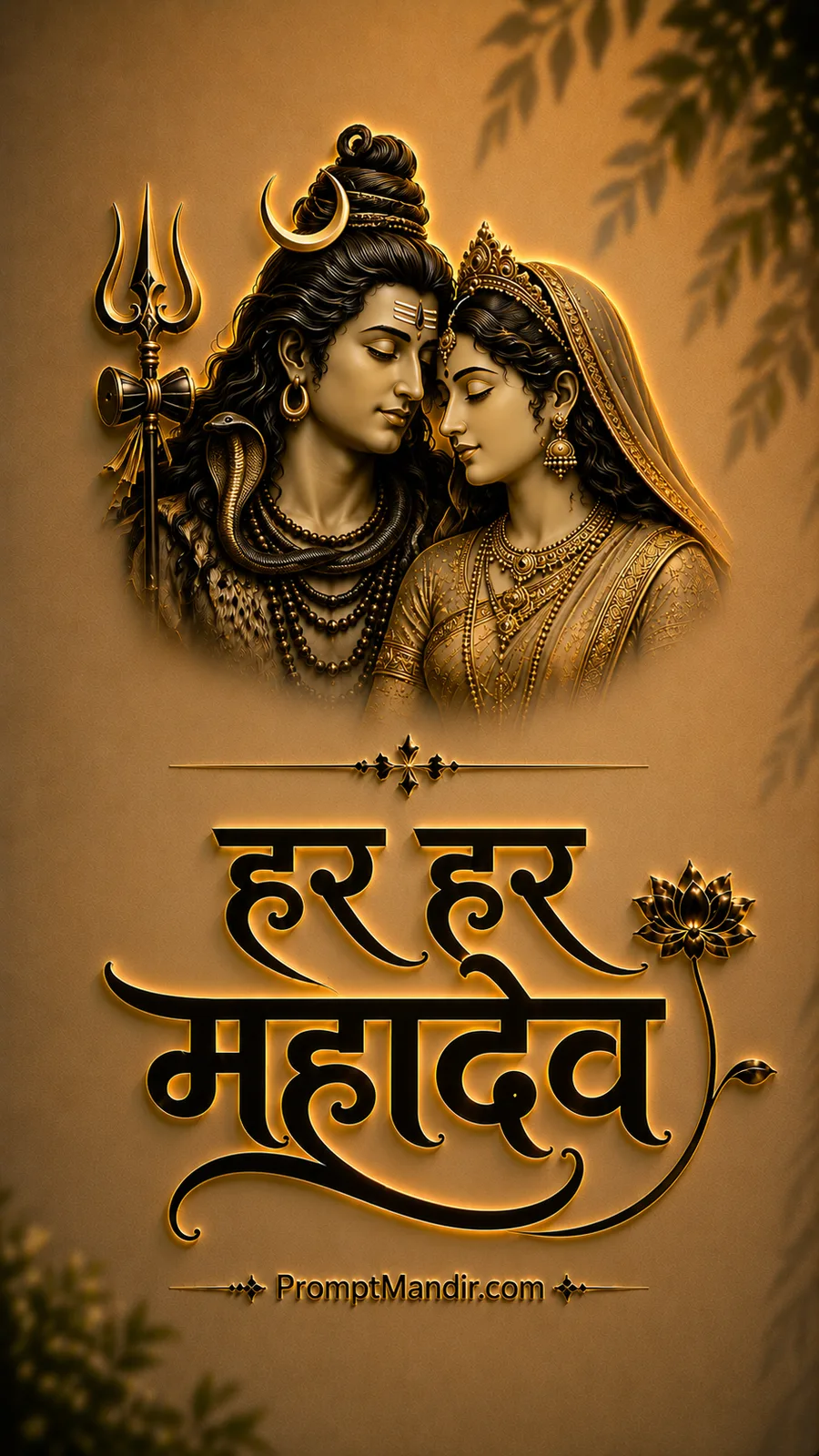
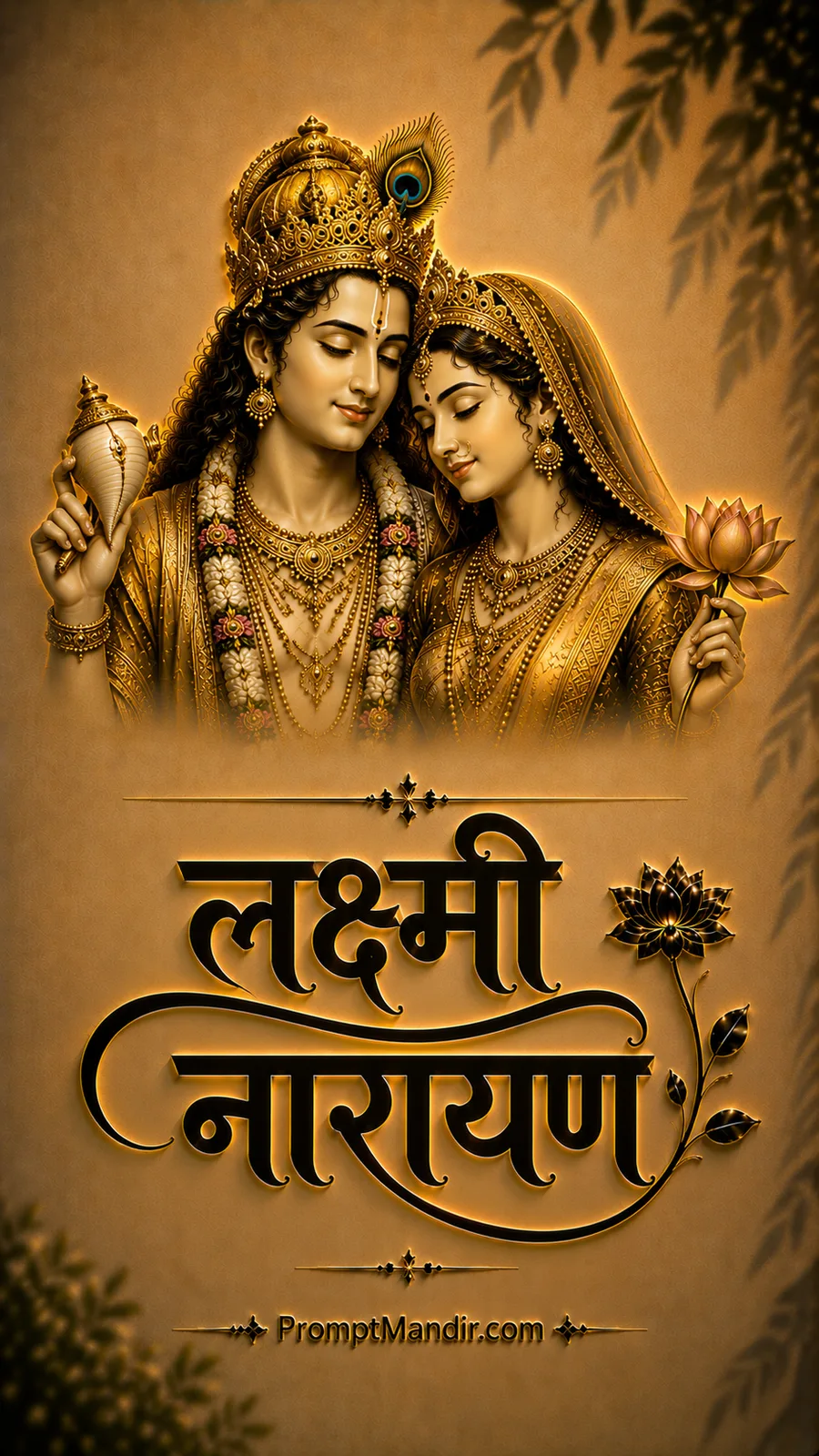
This series is not about the deity alone, and it is not about the typography alone. It is about the space between them. The sacred figure above, calm and still. The name below, carved out of shadow and gold. A thin ornamental line separating heaven from earth. Every Divine Name Art Prompts composition is built on that tension between presence and emptiness.
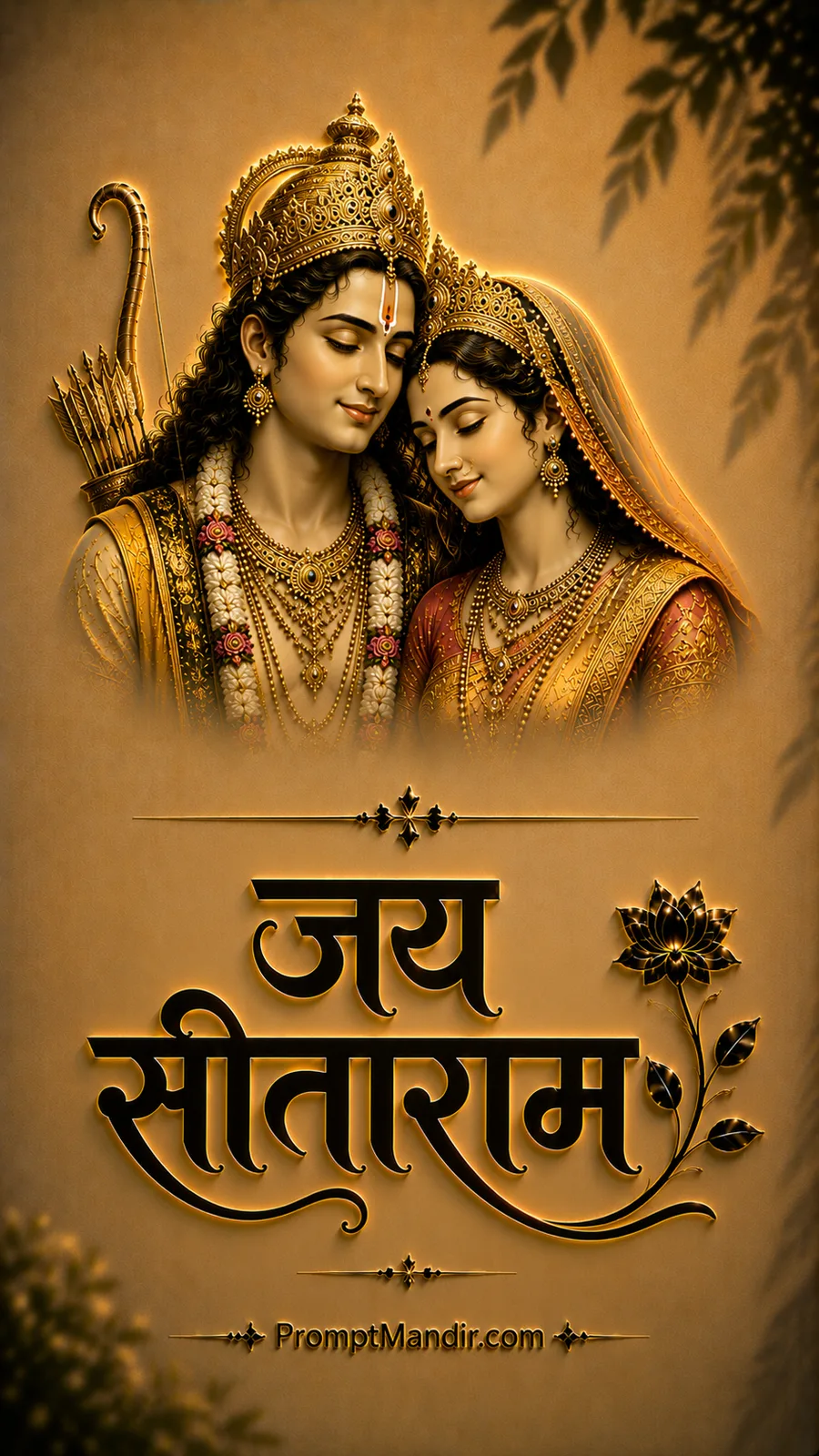
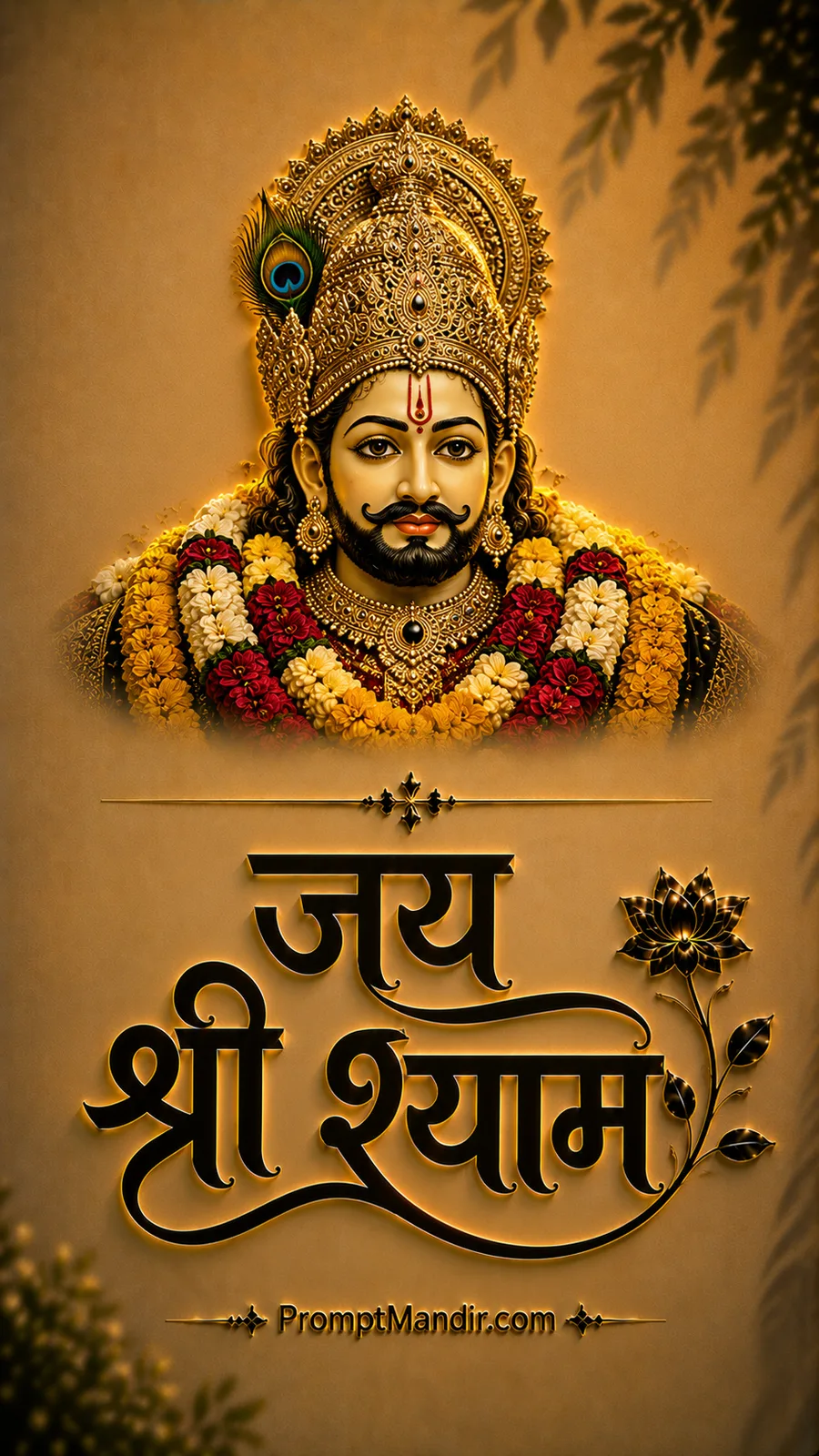
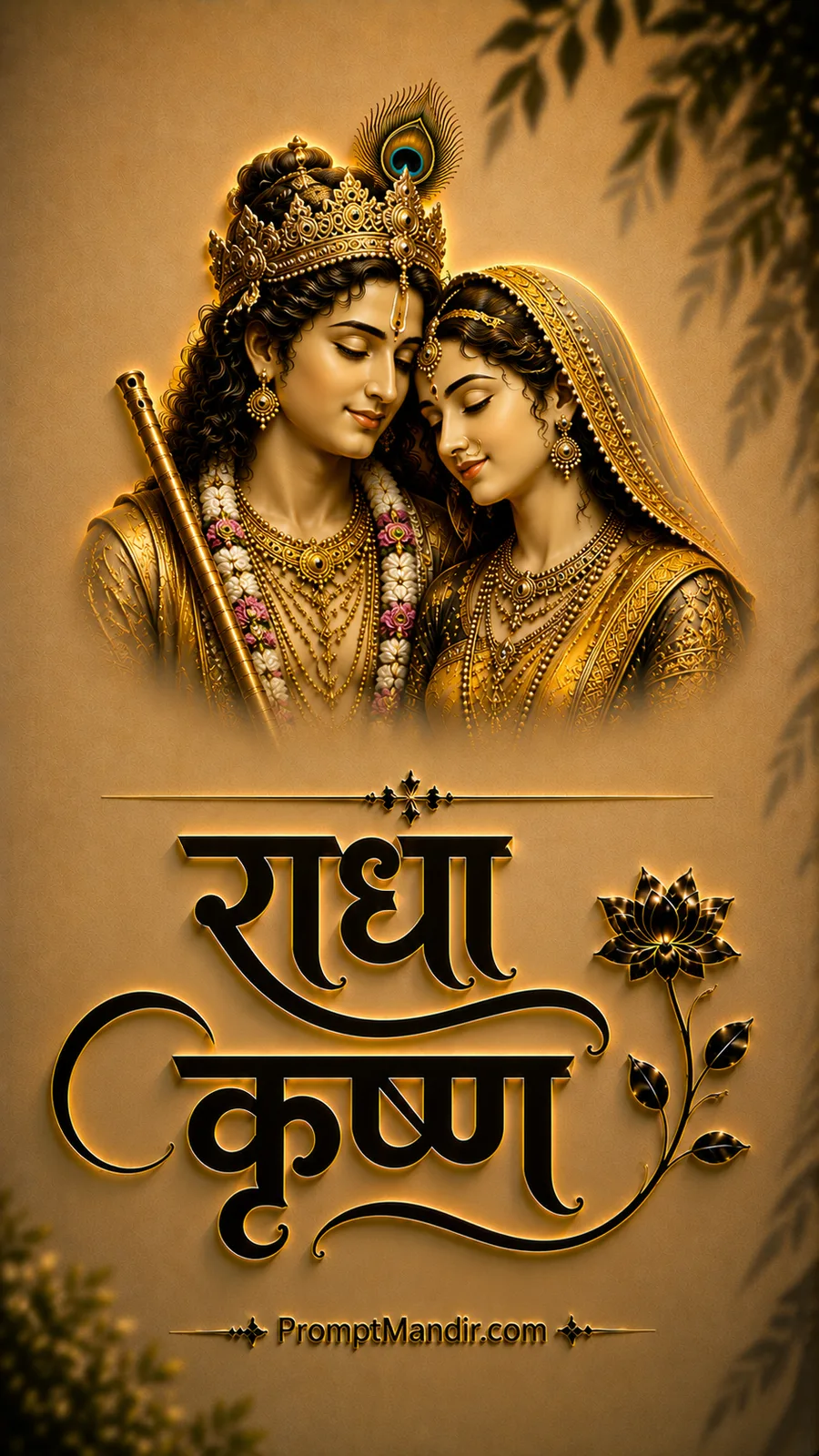
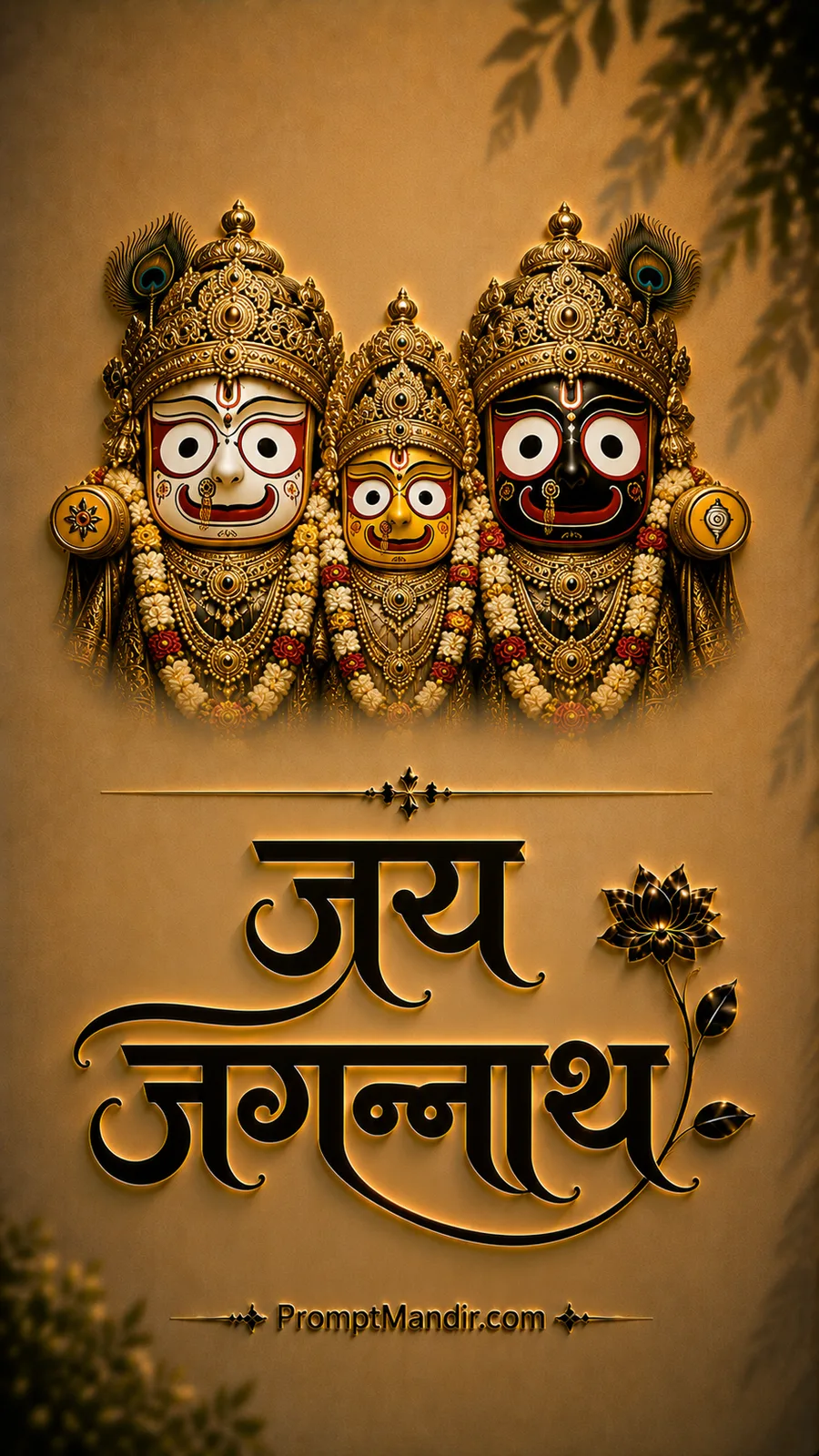
What makes these Divine Name Art Prompts work is what they refuse to do. They refuse to shout. There are no exploding lights, no neon halos, no crowded temple courtyards. The background is a warm, textured beige that feels like old paper or sun-warmed stone. The deities are rendered in matte black and antique gold, as if pressed into the surface by an ancient seal. The names — हर हर महादेव, जय जगन्नाथ, जय श्री श्याम, जय माता दी, जय बजरंगबली — sit below like declarations carved into a temple wall.
A single lotus ornament curves gently beside the text. A soft leaf shadow falls in the corner. That is all. The rest is silence. The rest is you. Writing prompts for the Divine Name Art Prompts style demands restraint. You are not building a world. You are designing a moment of recognition. The name must feel permanent. The deity must feel present. The empty space must feel intentional, not empty at all.
VIEW PROMPT
VIEW PROMPT
VIEW PROMPT
VIEW PROMPT
VIEW PROMPT
VIEW PROMPT
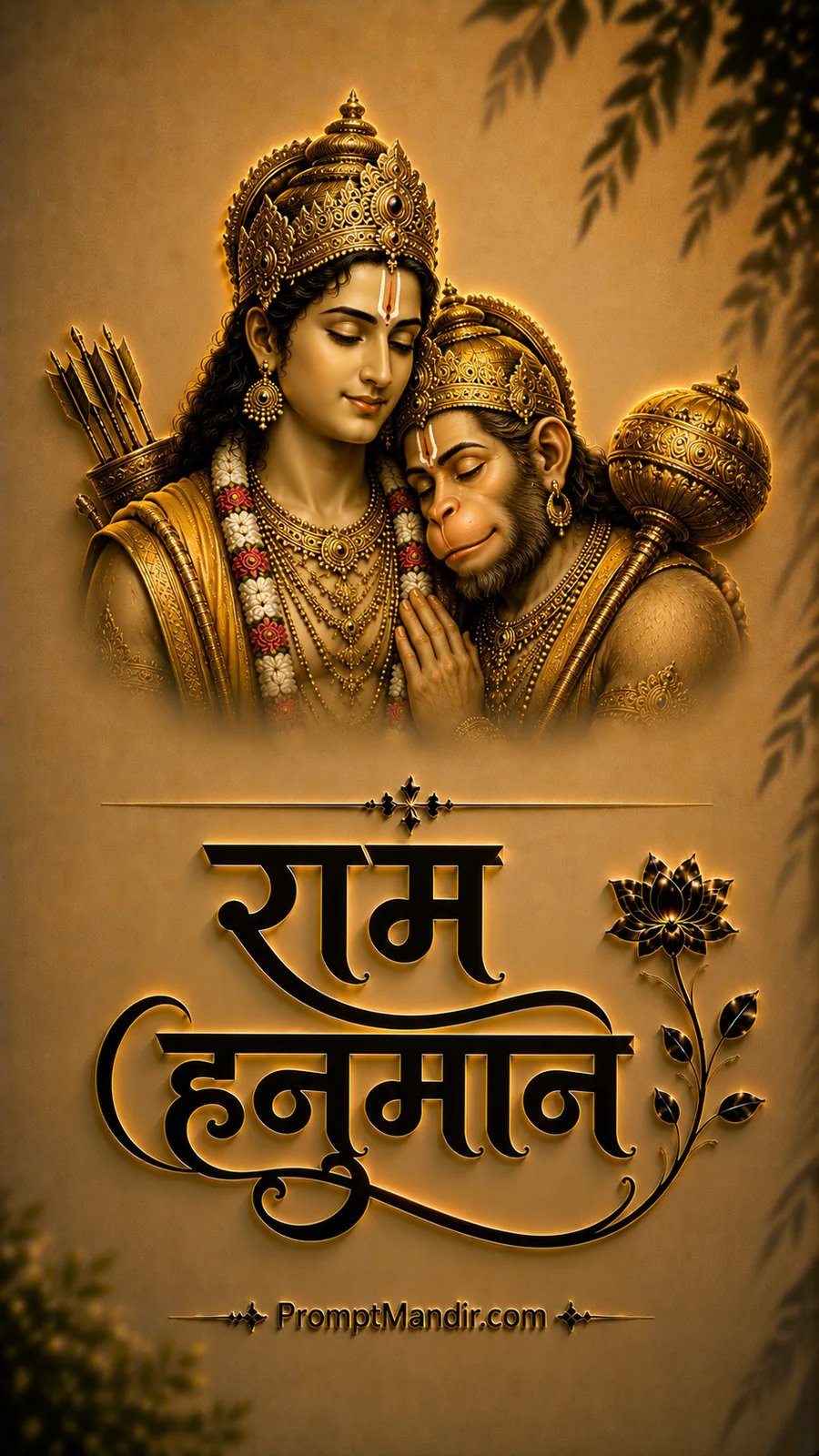
VIEW PROMPT
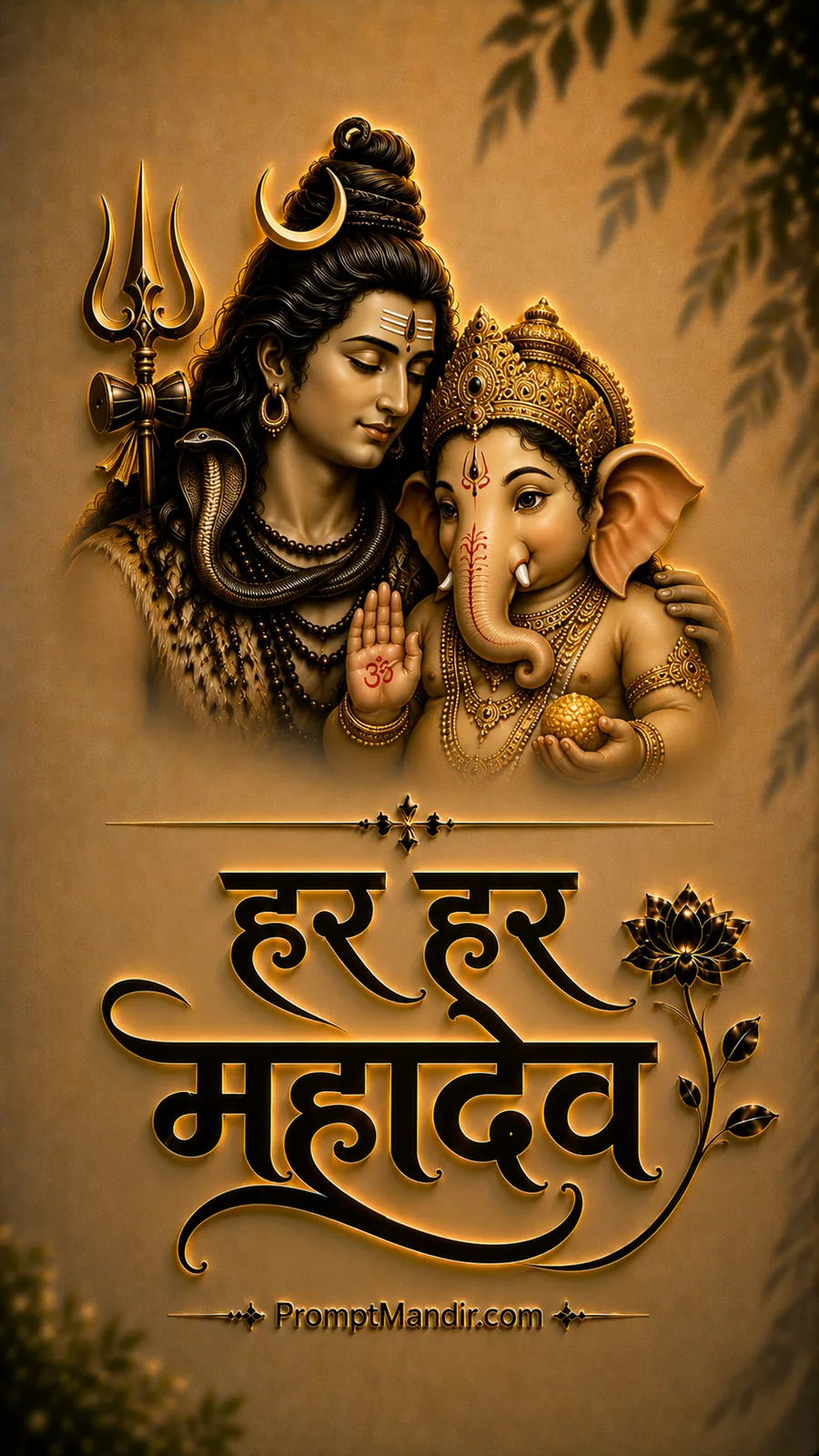
VIEW PROMPT
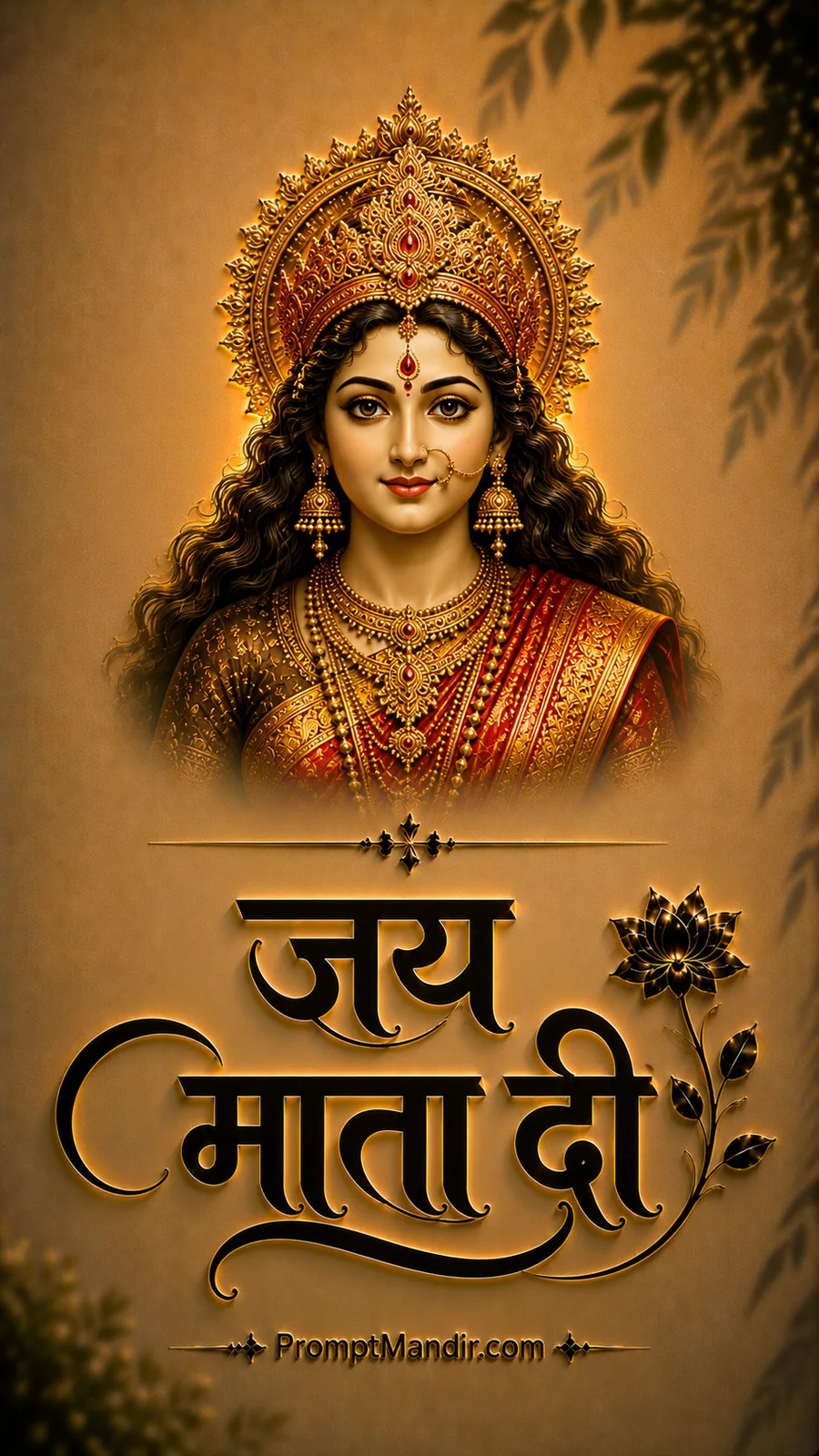
VIEW PROMPT
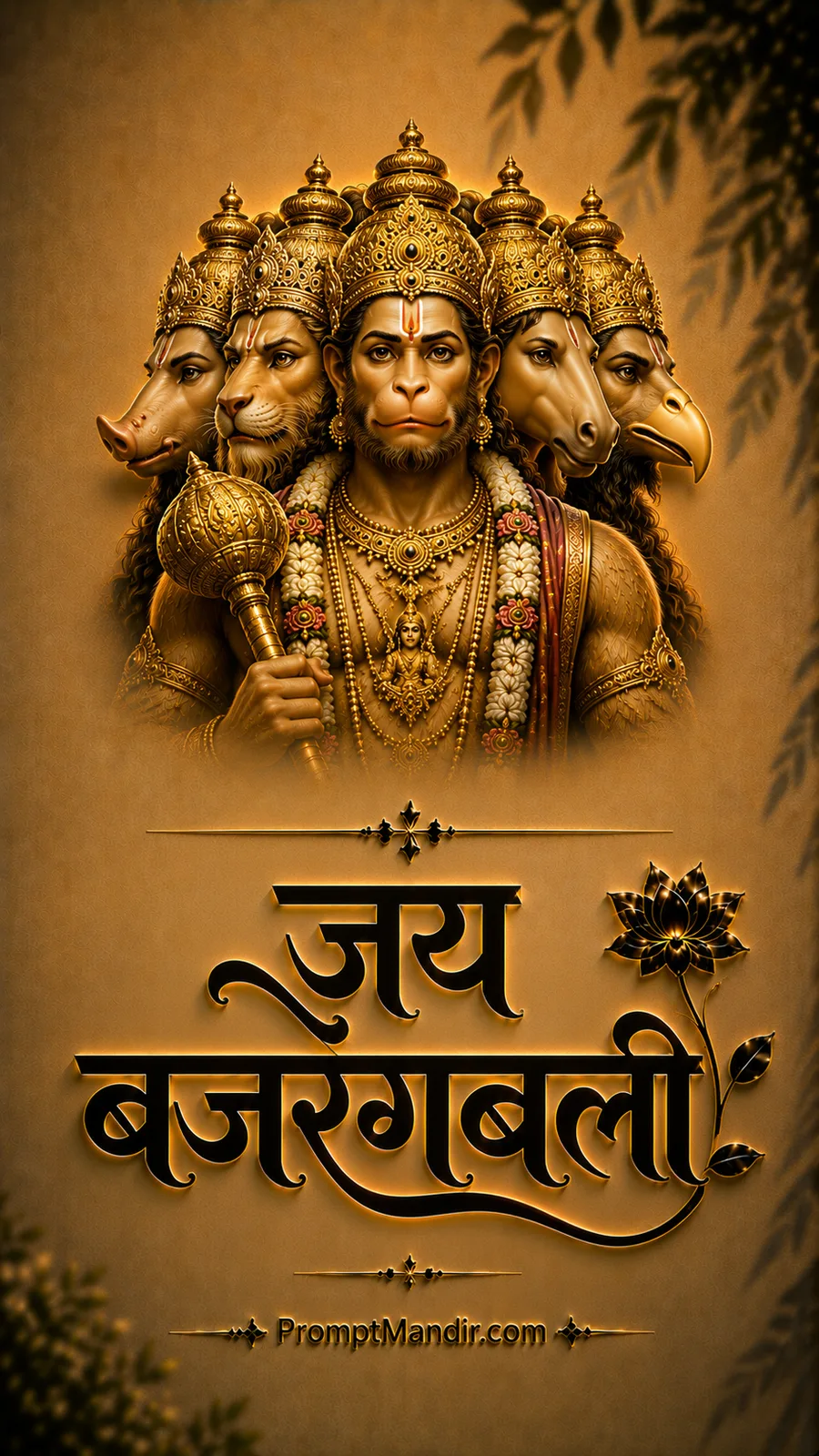
VIEW PROMPT
Explore More AI Prompt Collections
Discover more AI prompt collections covering devotional artwork, spiritual illustrations, divine characters, temple-inspired scenes, cultural designs, and creative visual concepts.
Browse related categories to find fresh inspiration for generating unique AI images, wallpapers, posters, social media graphics, and digital artwork.
Prompt Customization Tips
The beige background is the foundation of every Divine Name Art Prompts composition, and it must feel tactile. Avoid flat digital cream. Ask for a warm, matte, textured surface that resembles handmade paper or aged stone. The softness of this background is what allows the black and gold to sit without aggression. It absorbs light. It makes the composition feel like an object you could hold in your hands.
The deities in Divine Name Art Prompts are not full-body figures. They are busts, emerging from the upper portion of the frame and fading naturally into the textured background. The edge must be soft, not hard. No frame. No border. The figure should feel present rather than pasted. Use words like “fading gently,” “soft edge transition,” and “naturally merging with the background” to achieve this effect.
The embossed black and gold finish is the signature of the Divine Name Art Prompts style. This is not flat vector art. It is a sculpted, metallic relief. The prompt must ask for deep 3D embossing, subtle golden edge highlights, and smooth polished surfaces. Think of a sacred coin pressed into velvet. The black provides gravity. The gold provides breath. Together, they elevate the portrait into something timeless.
The typography is the second subject of every Divine Name Art Prompts artwork. It must be large, centered, and cut with the same embossed precision as the deity above. Whether it reads हर हर महादेव or जय बजरंगबली, the lettering should have smooth curves, deep shadow depth, and a subtle golden rim light that picks up the ambient glow. This is not text added in post. This is lettering carved into the same material as the rest of the piece.
The ornamental divider in a Divine Name Art Prompts composition is a thin, elegant line placed between the deity and the name. It is not a separation. It is a transition. A brief pause for the eye. The prompt should specify a refined metallic divider, thin and centered, with no additional decoration. Its job is to create a visual breath without calling attention to itself.
The lotus ornament on the right side of the typography is the only decorative flourish allowed in the Divine Name Art Prompts style. It must be small, black and gold, with a delicate curved stem. Do not place it on both sides. Asymmetry here is intentional. It balances the visual weight of the deity above. It also breaks the rigidity of perfect symmetry without disrupting the calm.
Soft leaf shadows in the corners are the final touch in a Divine Name Art Prompts artwork. One in the top right. One in the bottom left. These are not leaves. They are shadows of leaves, cast by an unseen tree outside the frame. They add an organic, handcrafted dimension to the piece. They tell the viewer this is not a sterile digital file. This is a window onto something living.
Frequently Asked Questions
What is the core visual idea behind the Divine Name Art Prompts style?
It is a meeting of portrait and prayer. The deity occupies the upper portion like an ancient seal. The sacred name occupies the lower portion like a carved inscription. The warm beige background and the embossed black-and-gold finish make the whole piece feel like a handcrafted devotional object rather than a digital poster.
Why is the background always a warm matte beige in Divine Name Art Prompts?
Because white is too cold and bright colors are too loud. The warm beige feels like aged parchment or sun-soaked temple stone. It provides a soft, quiet stage for the black and gold to do their work. It also makes the artwork versatile for both screen and print.
What does the embossed black-and-gold finish achieve in Divine Name Art Prompts?
It turns a flat illustration into a sculpted relief. The black gives the portrait weight and solemnity. The antique gold catches the light and adds a sense of sacred value. Together, they create the impression that the image has been pressed into metal, not simply drawn.
Why are the deity portraits limited to the upper portion of the frame in Divine Name Art Prompts?
The upper placement gives the deity a sense of elevation. They are above, looking down with calm benevolence. It also leaves room for the typography to breathe below. The two elements — deity and name — need equal respect. Stacking them vertically with generous space achieves this balance.
How should the typography be described in a Divine Name Art Prompts prompt?
As carved, not written. Use words like “embossed,” “deep 3D depth,” “smooth calligraphic curves,” and “subtle golden edge highlights.” The letters should feel heavy and permanent, as if they were cut into stone or pressed into metal by a master craftsman.
Why is there only one lotus ornament beside the text in Divine Name Art Prompts?
Asymmetry creates a natural, handcrafted feel. Perfect symmetry can sometimes feel rigid or machine-made. A single lotus on the right, paired with a leaf shadow in the opposite corner, gives the composition an organic balance. It feels designed by a person, not generated by a grid.
What role do the corner leaf shadows play in Divine Name Art Prompts?
They introduce a whisper of the natural world. A soft shadow of an unseen leaf in the top right and another in the bottom left suggests that the artwork exists in a real physical space, perhaps near a window or an open courtyard. It is a small detail that adds significant warmth.
Can I change the name below the deity to any sacred phrase in Divine Name Art Prompts?
Yes. The structure is designed to hold any devotional name or mantra. The typography style, the divider, and the placement remain constant. You can replace जय माता दी with a personal mantra or another deity’s invocation without breaking the design language of the Divine Name Art Prompts series.
What should be strictly avoided in the Divine Name Art Prompts style?
Temples, weapons, animals, halos, thrones, crowded backgrounds, neon colors, heavy borders, and additional ornaments below the deity. The power of the Divine Name Art Prompts series is in what is absent. Remove everything that competes with the face and the name.
Is the Divine Name Art Prompts style suitable for both digital wallpapers and printed posters?
Yes. The vertical 9:16 format is designed for phone screens. The warm beige background and embossed detailing also translate beautifully to matte paper prints. The artwork scales well because its strength is in texture and proportion, not in excessive detail.
About This Divine Name Art Prompts Collection
A name, when spoken, disappears into the air. A name, when carved, remains. The Divine Name Art Prompts collection is built around that simple truth.
This is not a collection about elaborate storytelling. It is about presence. The presence of a deity reduced to a calm, embossed portrait. The presence of a sacred phrase given the weight of carved stone. The presence of empty space that is not empty at all, but filled with the warmth of textured beige and the quiet breath of a leaf shadow in the corner.
Those who are drawn to the Divine Name Art Prompts style understand that devotion does not need decoration. It needs clarity. It needs a face you trust and a name you believe in, placed together on a surface that feels like it has existed for a very long time.
The black holds the gravity. The gold holds the light. The name holds the meaning. Everything else steps aside.